Explore the List of Endangered Marine Animals and Their Vital Roles
Highlighting the critical state of coral reefs and the keystone species that define our ocean's health. Understanding the complex threats facing these marine stewards is essential for effective, science-based restoration.
The Vital Role of Ecosystem Architects
From the predator-prey balance maintained by apex sharks to the nutrient cycling facilitated by whale migrations, every marine species plays a specialized role. Coral reefs, the "rainforests of the sea," are foundational structures that provide shelter for 25% of all ocean life while buffering our coastlines from the power of storm surges and rising tides.
Challenges, Threats, and Hopeful Horizons
Climate change, acidification, and over-extraction are shifting the baseline of marine health. However, restorative ecology offers a path forward. By focusing on ecosystem resilience—expanding protected zones and pioneering coral nursery technologies—we can transition from observers of decline to active guardians of a thriving, blue future.
Diving Deeper: Understanding the Tide of Change
The Vanishing Borders: Habitat Fragmentation
Coastal development and unsustainable aquaculture have led to the destruction of over 30% of global mangrove forests. These ecosystems are vital carbon sinks and act as the primary nursery for countless marine species. Without these roots, coastlines lose protection from storm surges, and juvenile fish lose their sanctuary from predators.
A Warming World: The Bleaching Crisis
Rising global temperatures cause thermal stress in coral polyps, leading them to expel the algae that give them life and color. This process, known as coral bleaching, threatens to collapse entire marine biodiversity hotspots. Furthermore, ocean acidification makes it harder for shellfish and corals to build their skeletons, weakening the very foundation of the underwater world.
Architects of Hope: Restoration Innovation
The future of conservation lies in combining biology with technology. Earth Guardians utilizes fragmented restoration—breaking heat-resilient coral into small pieces to accelerate growth—and 3D-printed artificial reefs that mimic natural topography. These innovations provide a head start for nature, allowing species a fighting chance to adapt to a changing climate.
Citizen Scientist Reflection
“If you could design a floating artificial island to help a specific marine species, what features would it have? Think about nesting areas, food sources, and protection from the sun.”
Group Challenge: Gather with your class or community and map out the nearest water source. Discuss three ways local activity might impact the ocean thousands of miles away. Share your ideas with us!
While the challenges are vast, our capacity for collective action is greater. By understanding the intricate biology of our oceans and applying science-based hope, we are not just observing a decline—we are architecting a massive, global recovery. Every reef we restore is a promise kept to the future.
The Visual Legacy of Our Blue Planet
Deep within our oceans lie worlds of unmatched complexity and beauty. These visual stories highlight the essential marine species Earth Guardians works to protect. By understanding their ecosystem roles—from carbon sequestration to nutrient cycling—we can better advocate for the global management and restoration of their habitats.


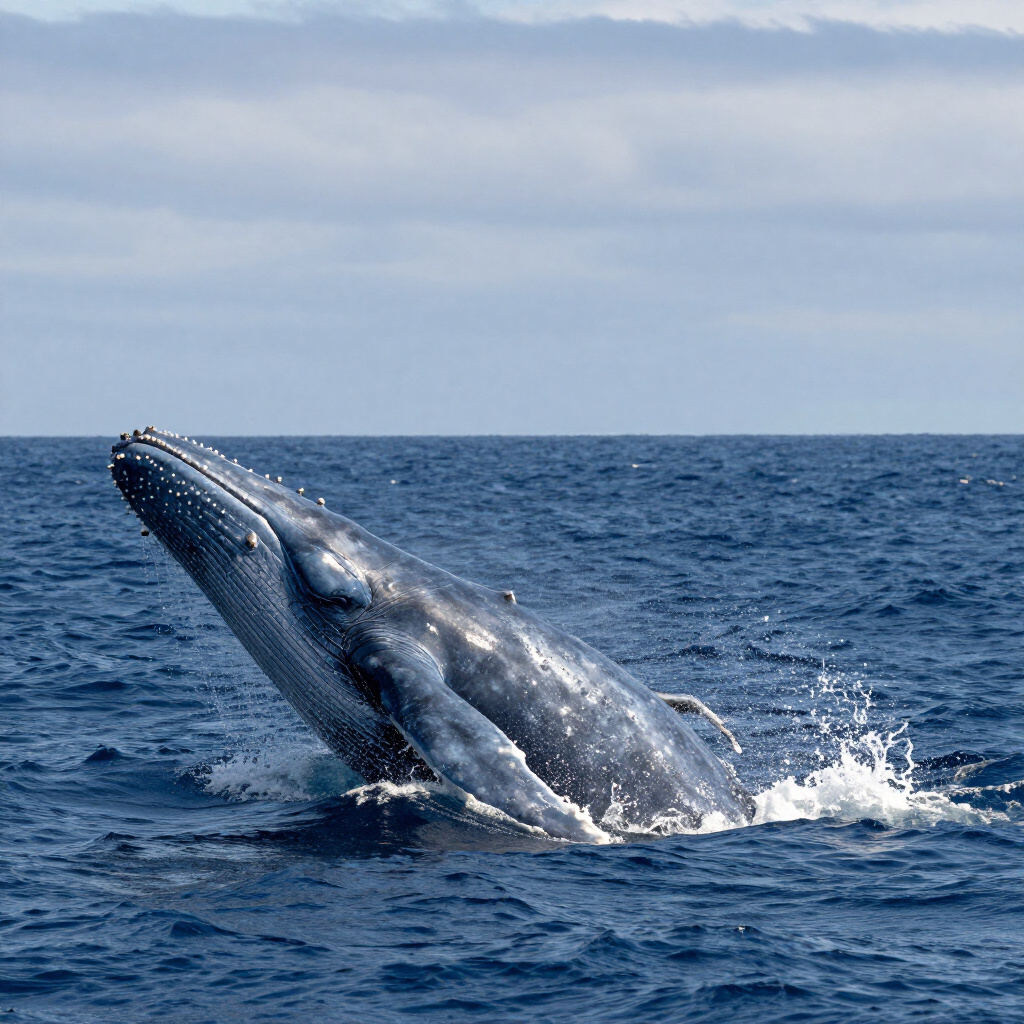
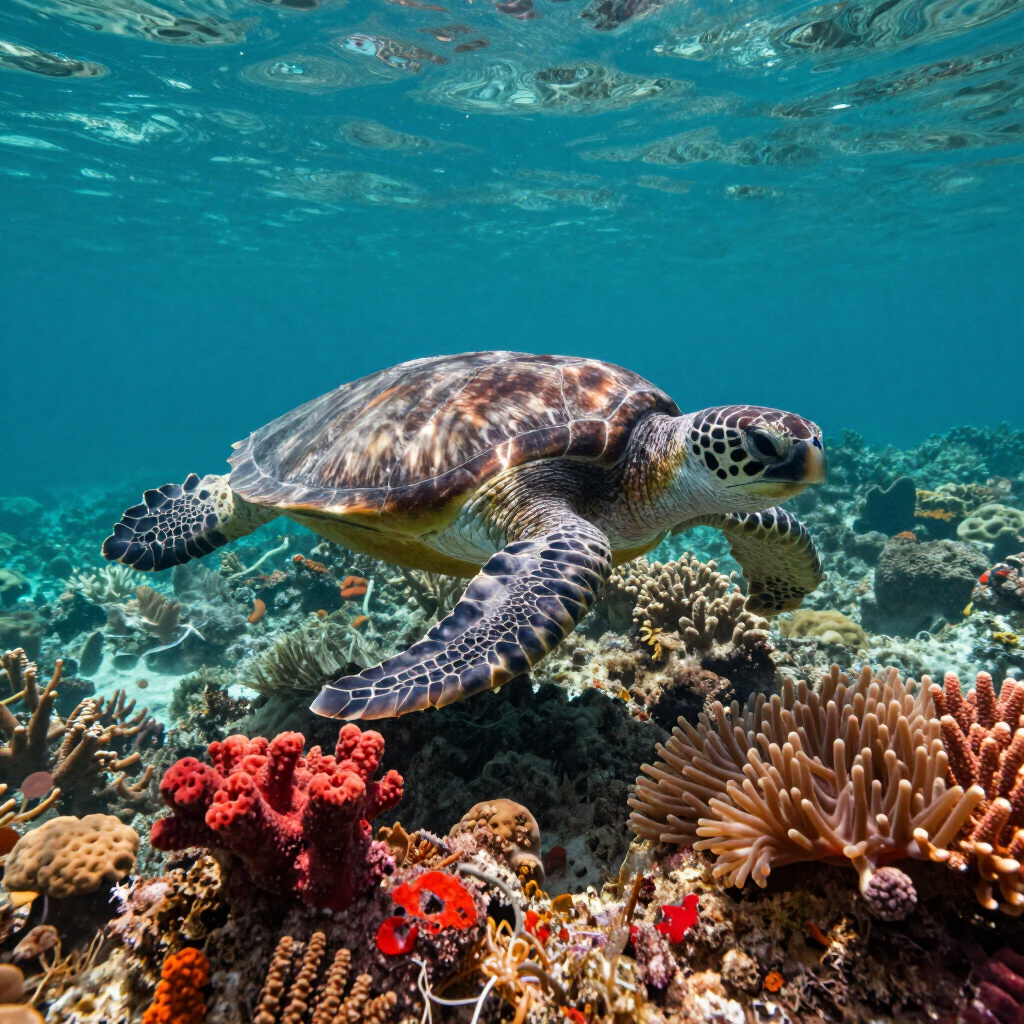
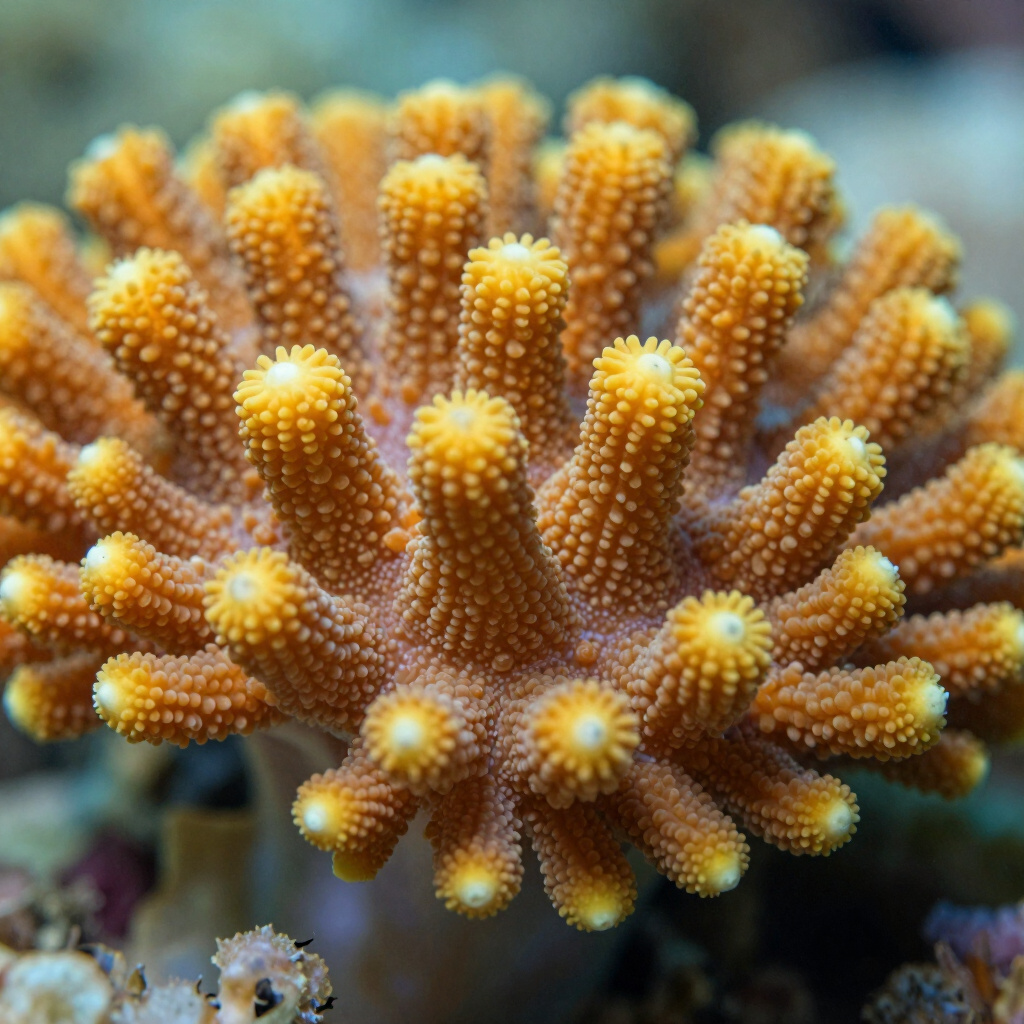
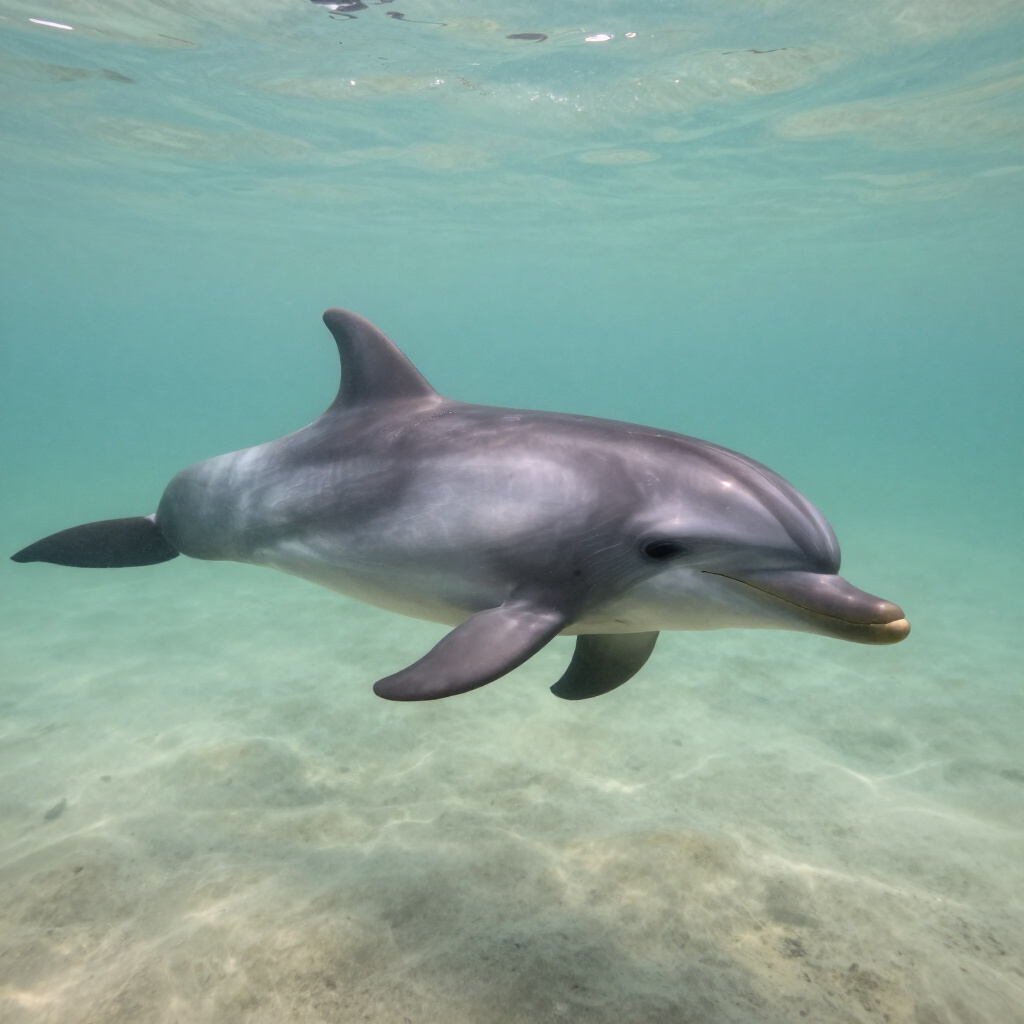
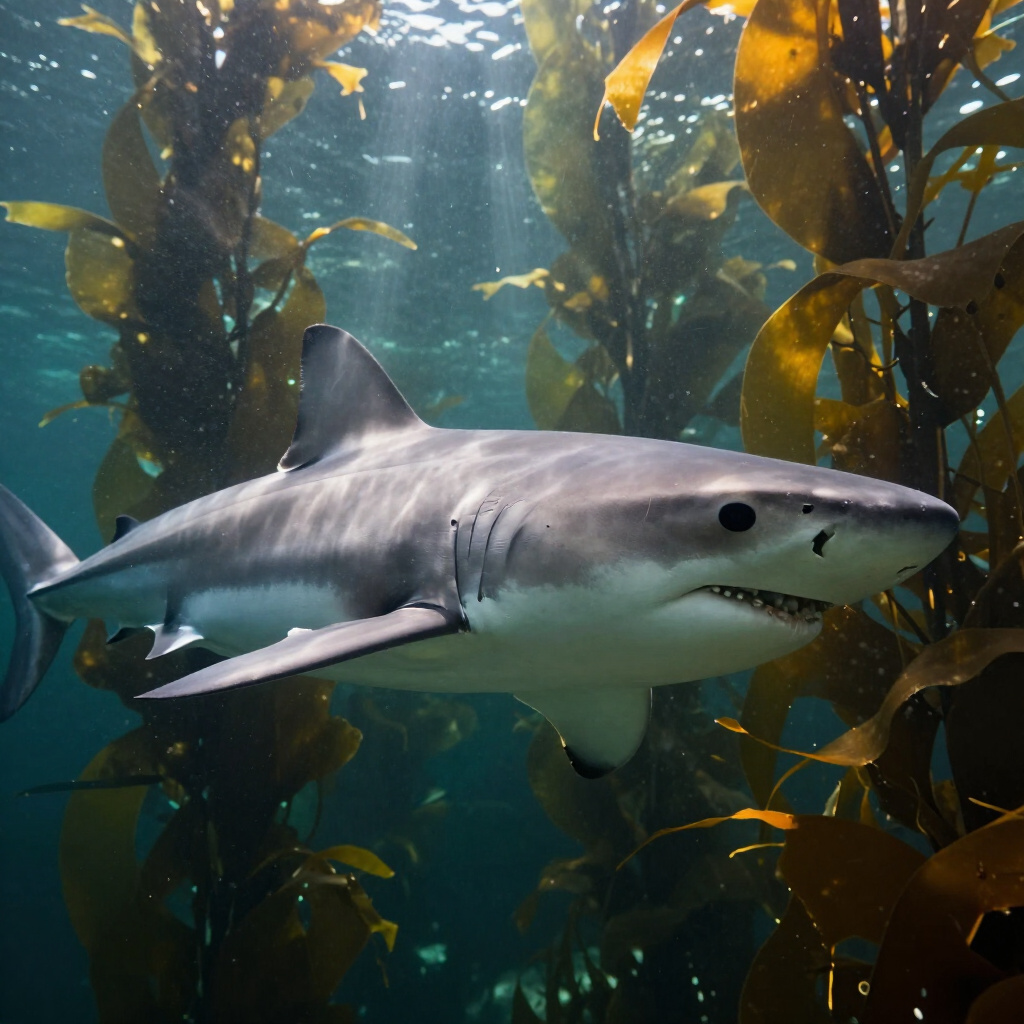
Reflection Prompt: Look closely at the textures and environments in these frames. How does the health of these individuals impact the global ecosystem we all belong to?
The Coral Quiz
How much do you really know about the 'rainforests of the sea'? Test your knowledge on ecosystem roles and threats.
Engage & Explore the Deep
Dive into interactive modules designed to deepen your understanding of marine conservation and empower you with knowledge to protect our blue planet.
Guardian's Reflection
Consider your daily impact. How can changing one small habit contribute to the long-term survival of marine species?
Classroom Challenge
Team up with others to design a local solution for reducing runoff or plastic waste in your community's waterways.
71%
Vast Oceans
The ocean produces over half of the world's oxygen and absorbs 50 times more carbon dioxide than our atmosphere, playing a critical role in Earth's survival.
Coral Reef Vitality
While they cover less than 1% of the ocean floor, coral reefs support over 25% of all marine life. Protecting these ‘rainforests of the sea’ ensures the health of the entire global ecosystem.
2,200+
Vulnerable Species
Climate change, pollution, and overfishing have pushed thousands of marine species toward extinction. Understanding these complex threats is our first step in creating targeted management and protection strategies.
Did you know?
Marine Protected Areas (MPAs) are like national parks for the sea. When we designate these zones, fish populations can grow by over 400% in biomass, providing a hopeful blueprint for active ocean restoration and ecosystem recovery.
Reflection: How might your daily choices impact the distant waters of the deep sea? Explore our resource library to calculate your footprint.
Join the Network of Ocean Protectors
Real change begins with collective effort. Whether you are a student, a teacher, or a lifelong learner, your actions ripple through the ecosystem. Share wisdom, lead a beach clean-up, or educate your peers on the vital role of coral reefs.
Learn & Observe
Explore the causes of marine habitat loss and identify indicator species in your local waters.
Share the Story
Use your platform to talk about coral bleaching solutions and the hopeful science of restoration.
Local Impact
Join or organize a local waterway cleanup. Every piece of debris removed saves a marine life story.
Classroom & Group Challenge: Can you design a plastic-free community map?