Empower Your Green Journey
We aim to provide individuals and communities with the tools they need for impactful conservation. Our educational resources offer invaluable insights into sustainable living practices.
Coral Reef Restoration
A comprehensive guide on the techniques used to revive dying reefs and protect marine ecosystems. We explain how your actions can help restore these fragile environments.
Sustainable Living
Practical toolkits for reducing your carbon footprint. From waste management to energy efficiency, we provide actionable steps for individuals to embrace a greener lifestyle.
Marine Biodiversity
We highlight the importance of biodiversity and provide resources to help protect endangered marine life. Explore the diverse species that inhabit our oceans.
INSIGHTS


Community Action Project: From Learning to Doing
You already know a lot about helping the planet. Now it’s time to do something big in real life!
🌼 Pollinators: Nature’s Matchmakers
Pollinators are animals that help plants reproduce by moving pollen from one flower to another. This allows plants to make seeds and fruit. Common pollinators include bees, butterflies, birds, and bats.
About 75% of flowering plants depend on pollinators for survival.
Many foods we eat—like apples, almonds, and blueberries—rely on pollinators.
🐾 Wildlife: The Web of Life
Wildlife includes all living animals in natural environments. Every species plays a role in keeping ecosystems balanced. Predators control populations, herbivores shape plant growth, and insects recycle nutrients.
🐠 Coral Reefs: Underwater Cities
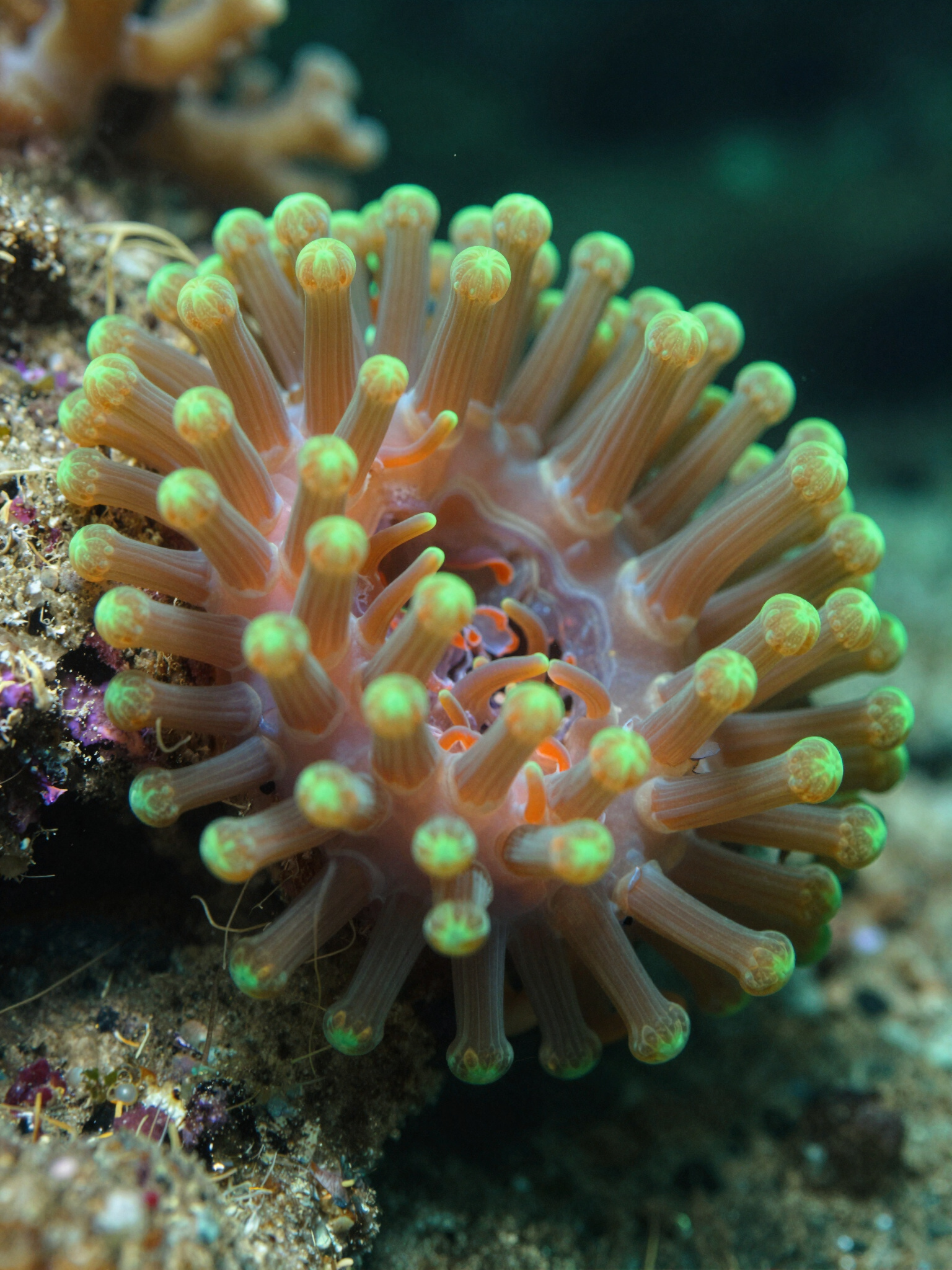
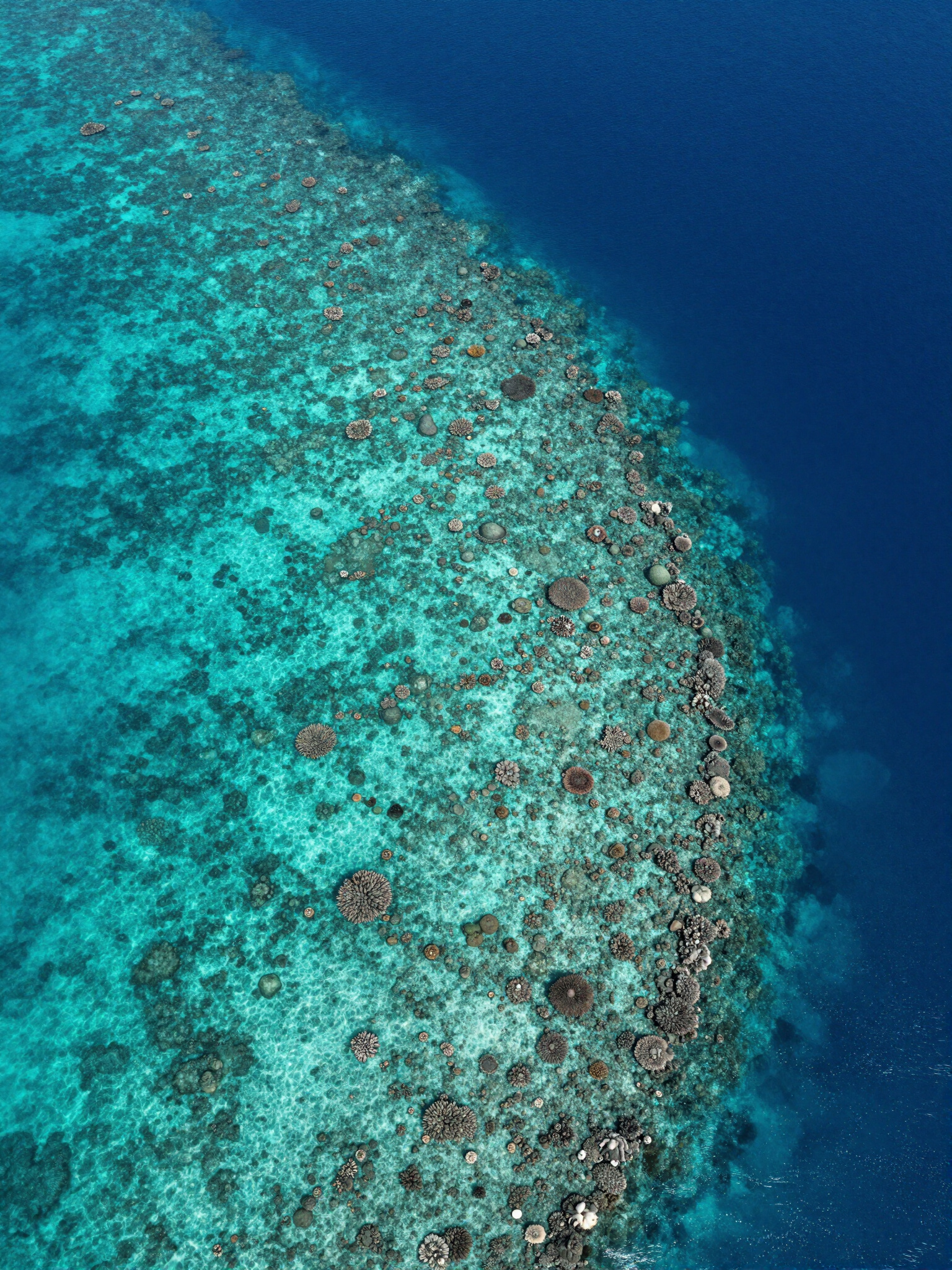
Coral reefs are built by tiny animals called coral polyps. They form massive structures that support marine life and protect coastlines from storms. Even though they cover less than 1% of the ocean, reefs support about 25% of marine species.
🌍 Climate Change: A Global Challenge
Climate change refers to long-term shifts in temperature and weather patterns, mainly caused by human activities like burning fossil fuels. This disrupts ecosystems on land and in the sea, affecting habitats and oceans.
⚠️ Wildlife Threats: What’s Putting Nature at Risk?
Habitat loss (deforestation, urbanization) and Pollution (plastics, chemicals).
Climate change and invasive species that disrupt ecosystems.
🪸 Coral Reef Restoration: Helping Nature Recover
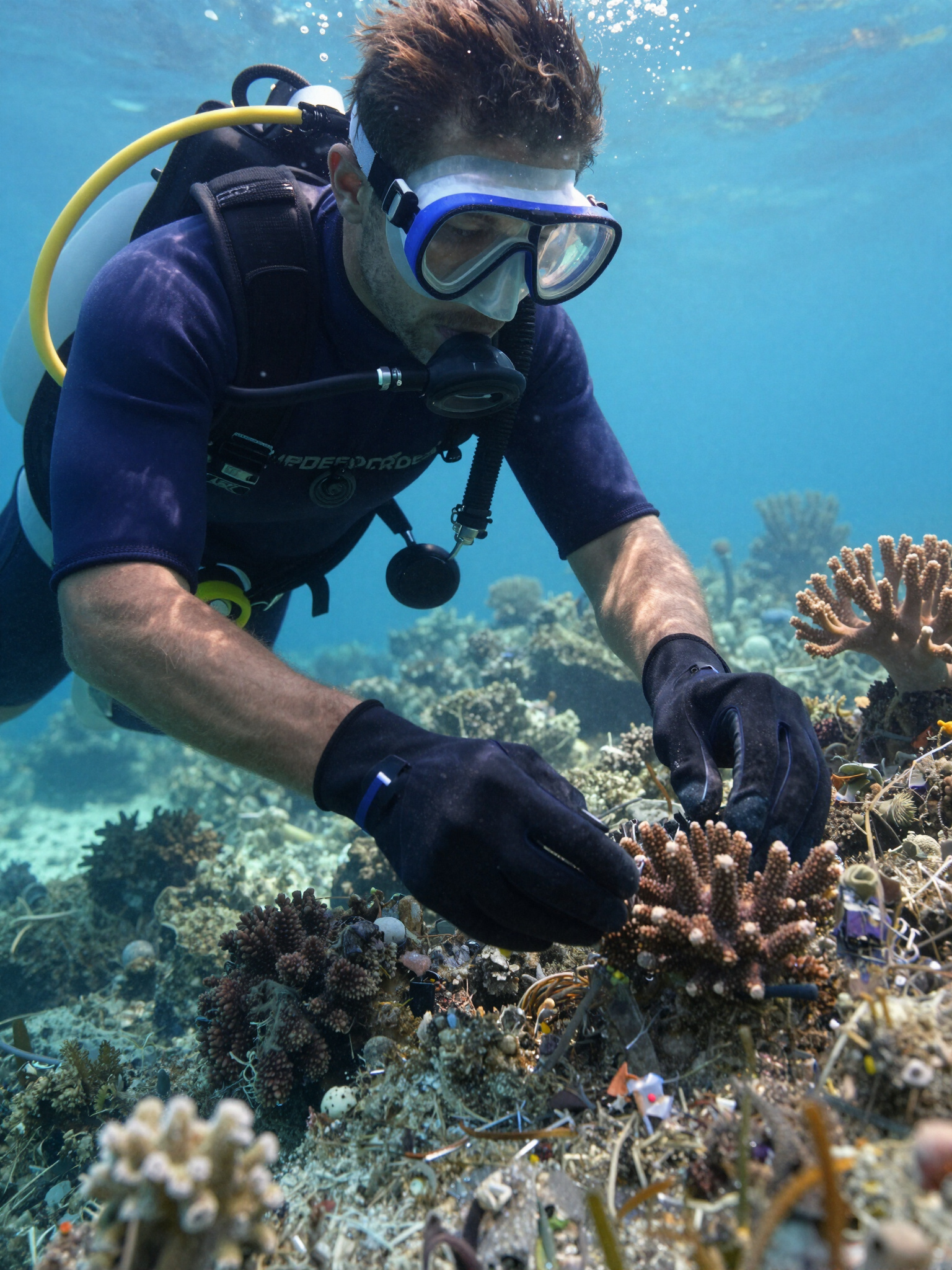
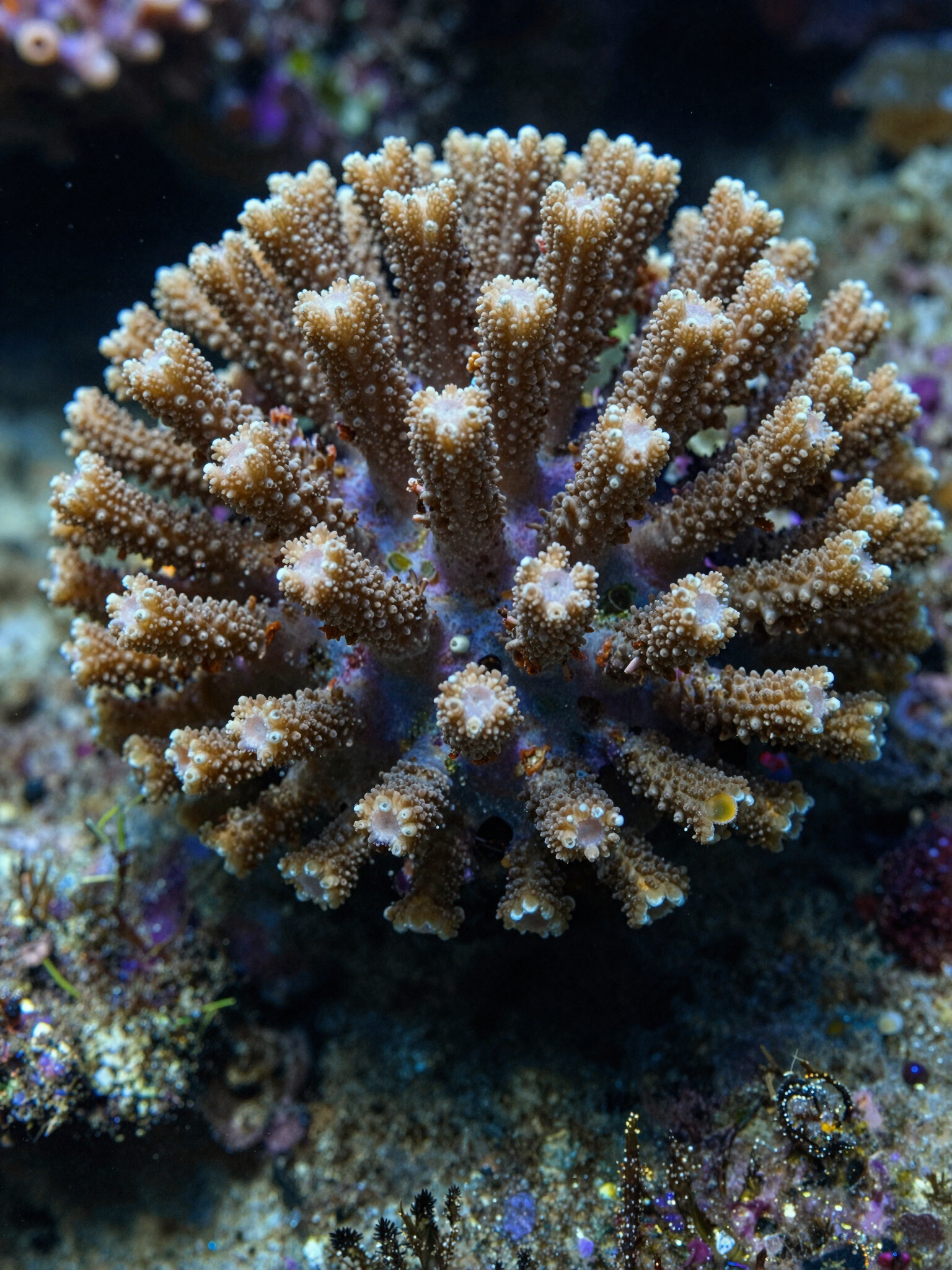
Scientists and conservationists are working to restore damaged coral reefs by growing coral in nurseries, breeding heat-resistant species, and reducing local pollution.
🔗 How It All Connects
Pollinators support plant life, which in turn supports wildlife. Healthy wildlife keeps ecosystems balanced, which supports coral reefs. Climate change affects everything—from bees to reefs. Protecting nature helps all parts of the system survive.
🧠 Why This Matters (Especially for School)
Understanding these topics helps you learn how ecosystems function, see the direct impact humans have on the planet, and think about future solutions to environmental problems.
🐾 Animals & Human Impact
The natural world is full of amazing animals—but not all of them are safe. Some species are endangered, which means there are very few left in the wild. Others are more common and not at risk. Understanding why some animals are in danger helps us protect them and the planet.
🌿 What Threatens Animals?
Habitat Loss – Cutting down forests, draining wetlands, or building cities destroys the places animals live.
Pollution – Plastic, chemicals, and other waste can harm animals’ homes, food, and health.
Climate Change – Warmer temperatures and changing weather can make it hard for animals to survive.
Overfishing & Hunting – Taking too many fish or hunting animals too much reduces populations.
Invasive Species – New plants or animals brought to an area can compete with native species for food and space.
Pet Trade – Capturing wild animals for pets can hurt populations in the wild.
Road Strikes – Roads and vehicles can be dangerous for animals trying to cross their habitats.
🌱 How Can Humans Help?
People can take actions to reduce these threats and protect wildlife. Examples include: Protected Areas (national parks and reserves give animals safe places to live); Wildlife Corridors (special paths connect habitats so animals can move safely); Sustainable Seafood & Hunting (using natural resources responsibly helps prevent population loss); Reduce Plastic & Pollution (keeping environments clean protects animals’ homes); Native Planting (planting local species gives animals food and shelter); and Laws & Enforcement (rules against hunting, trade, and pollution help keep species safe).
🌟 Why It Matters
When animals are threatened, ecosystems can become unbalanced. Every species has a role, from pollinating plants to controlling pests. Protecting animals also protects people—healthy ecosystems give us clean air, water, and food. Even small actions can make a difference. Choosing to reduce waste, protect habitats, or learn about endangered species helps keep the planet alive and thriving. 💚
🏠 Home Energy
When we turn on lights, watch TV, or take long hot showers, energy is used. Much of this energy comes from burning fuels, which releases carbon into the air. How to help: Using less energy helps lower pollution from power sources.
🍔 Food
Food doesn’t just come from the store—it has to be grown, processed, and transported. Some foods, especially meat and dairy, create more emissions than fruits and vegetables. How to help: Eating different kinds of foods can lower environmental impact.
🐾 Why It Matters
Climate change affects more than just temperature. It can change weather patterns, melt ice where animals live, and make it harder for plants and animals to survive. The choices we make every day can either add to the problem or help solve it. Your 7-Day Challenge: Rank your choices by impact and ease, and try two small changes this week!
🌍 Climate Change & Everyday Choices
Climate change is a big word for a big problem—but it’s also something you can understand and help with! Our planet is getting warmer because of gases in the air called carbon emissions. These gases come from many of the things people do every day, like using electricity, driving cars, and throwing things away. When too much of these gases build up, they trap heat around the Earth, like a thick blanket.
🚗 Transportation
Cars, buses, and planes burn fuel to move. This creates a lot of carbon emissions, especially when people travel long distances or ride alone in cars. How to help: Choosing cleaner ways to travel reduces harmful gases.
🗑️ Stuff & Waste
Everything we buy—clothes, toys, electronics—uses energy and resources to make. When we throw things away, they often end up in landfills, where they can create even more pollution. How to help: Reusing and recycling helps save resources and reduce waste.
🌊 Reef Rescue Lab: Learn About Coral & Ocean Restoration
Have you ever seen a coral reef? They are bright, colorful, and full of life—like underwater cities! In this fun activity, you’ll learn why coral reefs matter, what harms them, and how scientists are helping to save them.
🐠 What Are Coral Reefs?
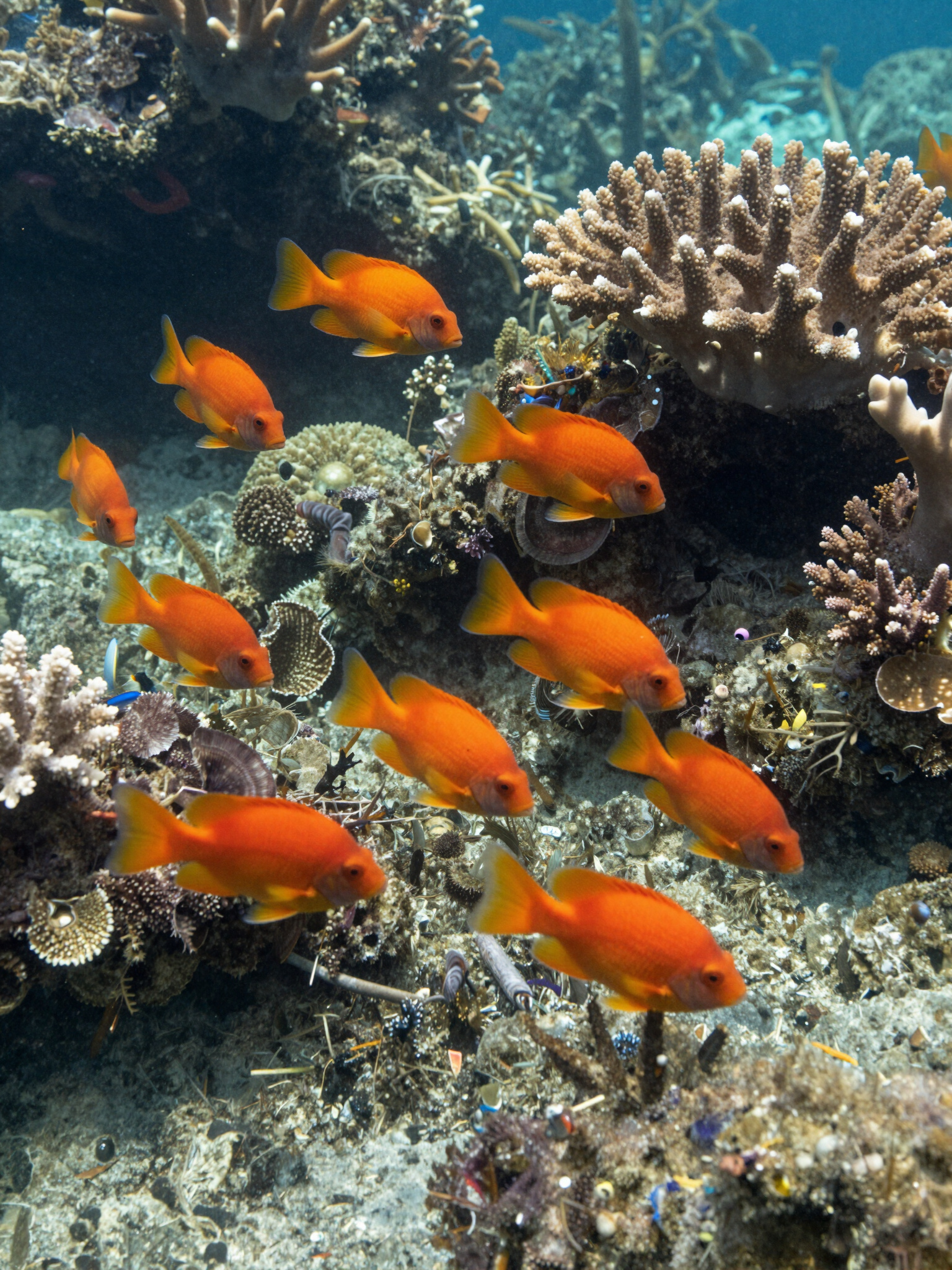
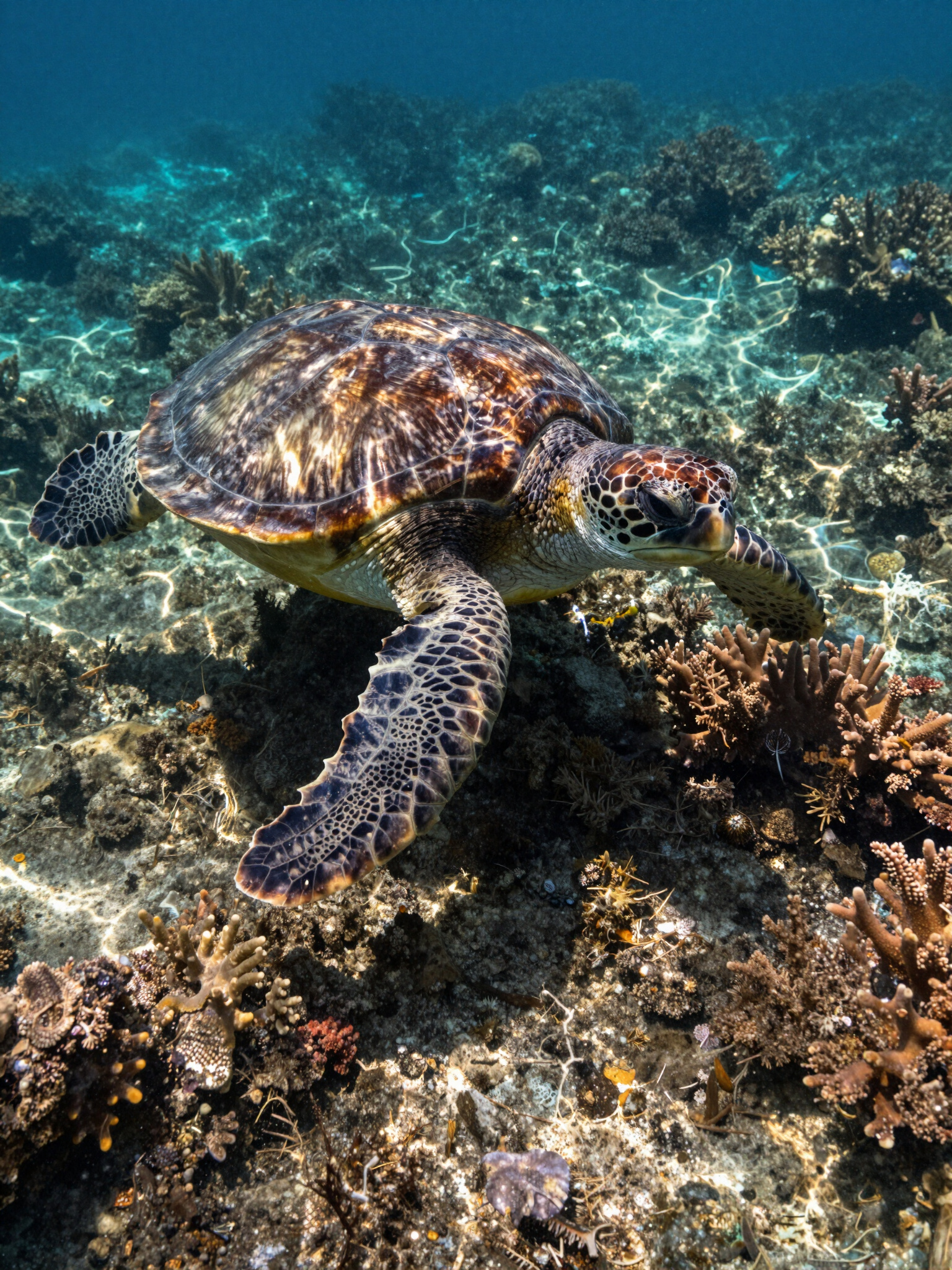
Corals are tiny animals that live together in huge groups. Over time, they build reefs—hard, rocky homes that protect lots of sea creatures like fish, crabs, and sea turtles. Reefs provide shelter for fish, protect coastlines from waves, and support fishing and tourism.
⚠️ What Hurts Coral Reefs?
Corals are very sensitive. They can get stressed or even die when the ocean gets too warm, the water becomes too acidic (like adding too much vinegar!), or pollution and plastic enter the ocean. When corals are stressed, they can lose their color—this is called coral bleaching.
🛠️ How Do Scientists Help Corals?
Grow Baby Corals: Scientists grow coral fragments in special nurseries under the ocean until they are strong.
Reef Outplanting: Once strong, they move healthy corals back into the ocean to help the reef recover.
Protection: Teams work to keep ocean water clean and safe from pollution so reefs can stay healthy.
When we protect coral reefs, we also protect thousands of animals—and the people who depend on the ocean too. Your choices on land help save the sea!